FIX AND FLIP
Best Fix-and-Flip Markets in the US: 2026 Edition
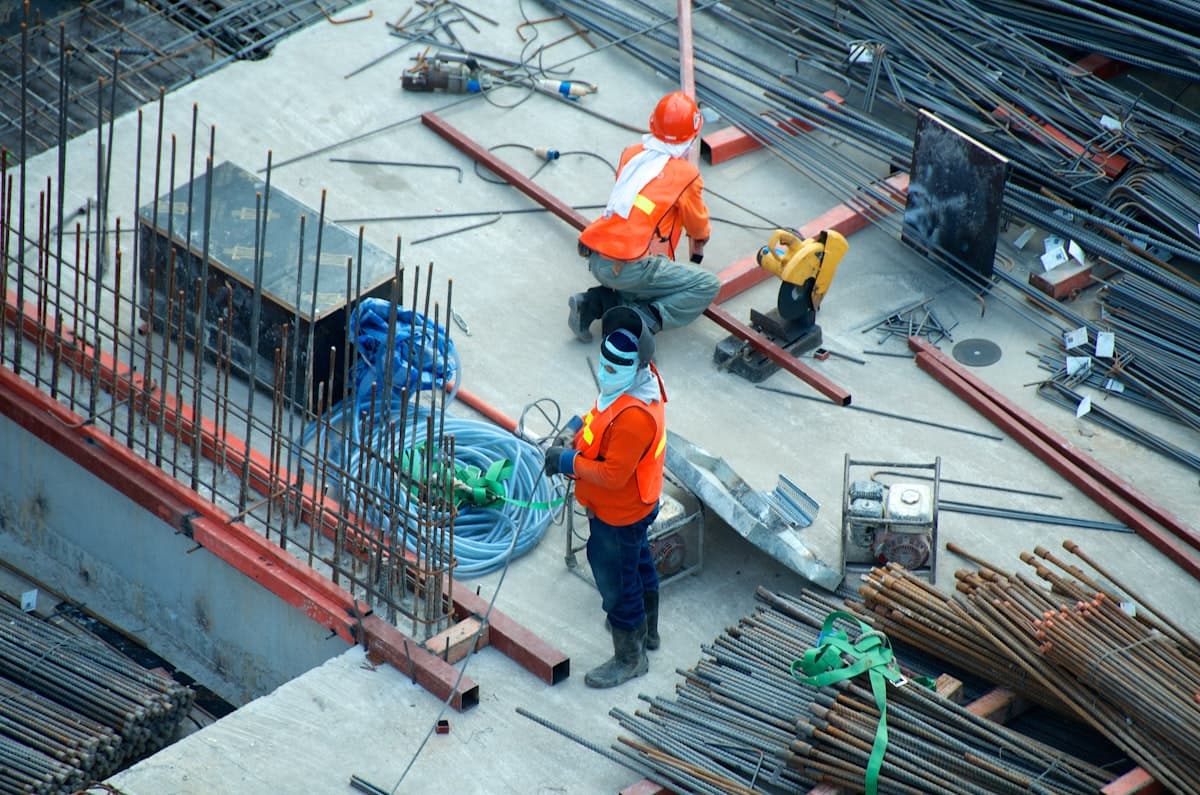
Fix-and-flip investors made strong returns in 2025, and the opportunity is expanding in 2026. Inventory of distressed and value-add properties continues to grow as pandemic-era forbearance exits, insurance cost spikes, and deferred maintenance create motivated sellers across the Sun Belt and Midwest.
But not every market works. The difference between a 25% ROI and a money-losing flip comes down to one thing: the spread between what you buy a distressed property for and what it sells for after renovation. That spread varies wildly by metro area.
We analyzed 12 U.S. markets where the purchase-to-ARV spread is widest, rehab costs remain manageable, and properties move quickly after renovation. Whether you plan to flip for profit or renovate and hold with a DSCR loan for long-term rental income, these are the metros that deserve your attention this year.
What Makes a Good Fix-and-Flip Market in 2026
Before we get into specific metros, here is what we look for when evaluating a flip market. These four factors separate profitable markets from traps.
1. Purchase Price to ARV Spread
The math is simple. You want to buy distressed properties at 55-65% of the after-repair value (ARV). In expensive coastal markets, distressed prices have compressed so close to ARV that the margins barely cover holding costs. The markets on this list all offer purchase-to-ARV ratios below 65%, giving you room for rehab costs, financing, and profit.
2. Days on Market After Renovation
Every month a renovated property sits unsold costs you 1-2% of the loan amount in carrying costs. Markets where renovated homes sell in under 45 days keep your holding costs predictable. In the markets below, well-priced renovated homes are moving in 20-40 days on average.
3. Contractor Availability and Rehab Costs
Some markets have great spreads on paper but contractor shortages that inflate your budget by 30-40%. The Midwest and Southeast consistently offer the best contractor availability and the lowest per-square-foot renovation costs in the country. Average rehab costs in these markets range from $25 to $50 per square foot, compared to $75 or more in coastal metros.
4. Permit Timelines and Regulatory Environment
In cities like San Francisco or New York, permits can take 3-6 months. In the markets on this list, most residential renovation permits are issued in 1-3 weeks. Faster permits mean shorter project timelines, lower holding costs, and quicker access to your fix-and-flip loan draw funds.
The 12 Best Fix-and-Flip Markets for 2026
Data below reflects Q1 2026 estimates based on MLS trends, county assessor records, and active flip deal pipelines. Distressed purchase prices represent median acquisition costs for properties needing full renovation (foreclosures, estate sales, and off-market acquisitions). ARV figures reflect median sale prices for recently renovated comparable homes in the same zip codes.
1. Birmingham, Alabama
Distressed Purchase Price
$75,000 - $110,000
Median ARV
$185,000 - $230,000
Avg. Rehab Cost
$35,000 - $55,000
Avg. Days on Market
28 days
Population Growth (YoY)
+0.8%
Job Growth (YoY)
+1.9%
Birmingham remains one of the highest-ROI flip markets in the country. Healthcare and finance sector expansion continue to drive demand for renovated homes in neighborhoods like Crestwood, Avondale, and Woodlawn. Purchase prices for distressed three-bedroom homes sit well below $110K while renovated comps sell above $200K. Low contractor costs ($28-$35/sq ft) keep rehab budgets tight. A fix-and-flip loan with rehab draws works well here given the short project timelines and strong ARVs.
2. Cleveland, Ohio
Distressed Purchase Price
$55,000 - $95,000
Median ARV
$155,000 - $210,000
Avg. Rehab Cost
$40,000 - $60,000
Avg. Days on Market
32 days
Population Growth (YoY)
+0.3%
Job Growth (YoY)
+1.4%
Cleveland offers some of the lowest entry points in the country. The west side neighborhoods of Lakewood and Ohio City, along with east side areas like Shaker Heights, have strong buyer demand for renovated single-family homes. The Cleveland Clinic and University Hospitals continue to expand, creating consistent demand from healthcare workers. Investors who renovate and decide to hold rather than sell can transition into a DSCR rental loan with rent-to-price ratios that easily exceed a 1.25x DSCR.
3. Indianapolis, Indiana
Distressed Purchase Price
$80,000 - $120,000
Median ARV
$190,000 - $250,000
Avg. Rehab Cost
$35,000 - $55,000
Avg. Days on Market
25 days
Population Growth (YoY)
+1.2%
Job Growth (YoY)
+2.3%
Indianapolis is a favorite among experienced flippers for a reason. The metro added over 18,000 jobs in 2025, driven by logistics, tech, and Eli Lilly's continued pharmaceutical expansion. Neighborhoods like Fountain Square, Irvington, and Bates-Hendricks offer strong buy-to-ARV spreads with rehab costs that stay in the $35-$55K range for a full gut renovation. Permits typically issue within two weeks. This is a textbook market for a short-term fix-and-flip loan given the fast absorption rate.
4. Memphis, Tennessee
Distressed Purchase Price
$60,000 - $100,000
Median ARV
$165,000 - $215,000
Avg. Rehab Cost
$30,000 - $50,000
Avg. Days on Market
35 days
Population Growth (YoY)
+0.5%
Job Growth (YoY)
+1.6%
Memphis has the lowest entry point of any major metro on this list. FedEx, St. Jude, and the logistics corridor along I-40 provide a stable employment base. Neighborhoods like Cooper-Young, Midtown, and Whitehaven have strong flip activity with consistent ARVs. Tennessee has no state income tax, which means your flip profit stays in your pocket. Memphis is also one of the strongest rental markets in the Southeast, so if the resale market slows, you can pivot to a DSCR loan and hold the property as a rental.
5. Detroit, Michigan
Distressed Purchase Price
$50,000 - $90,000
Median ARV
$145,000 - $200,000
Avg. Rehab Cost
$40,000 - $65,000
Avg. Days on Market
30 days
Population Growth (YoY)
+0.4%
Job Growth (YoY)
+1.8%
Detroit continues its turnaround. The auto industry's EV investments, combined with downtown redevelopment, have pushed demand for renovated homes in neighborhoods like Corktown, Grandmont-Rosedale, and East English Village. Entry prices remain among the lowest in the country while ARVs have climbed 8-12% year over year in targeted neighborhoods. Rehab costs run slightly higher due to older housing stock that often needs foundation and mechanical work. A bridge loan can be a smart play here for investors picking up auction properties that need a fast close.
6. St. Louis, Missouri
Distressed Purchase Price
$70,000 - $110,000
Median ARV
$175,000 - $235,000
Avg. Rehab Cost
$35,000 - $55,000
Avg. Days on Market
33 days
Population Growth (YoY)
+0.6%
Job Growth (YoY)
+1.5%
St. Louis offers an exceptional combination of low acquisition costs and solid ARVs. The South City corridor, Maplewood, and Tower Grove neighborhoods have seen consistent buyer demand for updated three-bedroom homes. Healthcare (BJC, Mercy) and the defense sector (Boeing, Scott Air Force Base) anchor the job market. The city's older brick housing stock renovates well, and contractor rates remain among the most competitive in the Midwest at $28-$38 per square foot.
7. Jacksonville, Florida
Distressed Purchase Price
$130,000 - $185,000
Median ARV
$275,000 - $350,000
Avg. Rehab Cost
$45,000 - $70,000
Avg. Days on Market
27 days
Population Growth (YoY)
+1.8%
Job Growth (YoY)
+2.7%
Jacksonville is the largest city by land area in the continental U.S., and that geographic spread creates pockets of deep value. The Westside, Arlington, and Murray Hill neighborhoods have distressed inventory well below metro median prices while renovated comps benefit from the metro's strong population growth. Jacksonville added more residents than any Florida metro outside of Orlando in 2025. No state income tax, and insurance costs, while higher than the Midwest, are more manageable than South Florida. Flip profits per deal here can easily exceed $50K on a well-sourced property.
8. San Antonio, Texas
Distressed Purchase Price
$120,000 - $170,000
Median ARV
$255,000 - $320,000
Avg. Rehab Cost
$40,000 - $60,000
Avg. Days on Market
31 days
Population Growth (YoY)
+1.5%
Job Growth (YoY)
+2.4%
San Antonio has quietly become one of the best mid-tier flip markets in Texas. While Austin and Dallas get the headlines, San Antonio offers lower entry points with comparable population growth. Military bases (Joint Base San Antonio), cybersecurity firms, and Toyota's manufacturing presence provide diverse employment. The south and west sides of the metro have the best distressed inventory, with ARVs supported by an influx of buyers priced out of Austin. No state income tax boosts your net profit on every deal.
9. Kansas City, Missouri
Distressed Purchase Price
$85,000 - $130,000
Median ARV
$210,000 - $275,000
Avg. Rehab Cost
$35,000 - $55,000
Avg. Days on Market
26 days
Population Growth (YoY)
+1.0%
Job Growth (YoY)
+2.1%
Kansas City's flip market benefits from a diversified economy and steady migration from higher-cost metros. Waldo, Brookside, and the Crossroads District have seen renovated home values climb steadily. The metro's tech sector is growing (Google data center, Cerner/Oracle expansion), and infrastructure investment along the I-35 corridor is pushing development south. Contractor availability is strong, and most residential permits process in under two weeks.
10. Columbus, Ohio
Distressed Purchase Price
$100,000 - $150,000
Median ARV
$230,000 - $300,000
Avg. Rehab Cost
$40,000 - $60,000
Avg. Days on Market
22 days
Population Growth (YoY)
+1.4%
Job Growth (YoY)
+2.8%
Columbus is the fastest-growing major metro in Ohio, and the Intel semiconductor fab in nearby New Albany is generating thousands of direct and indirect jobs. This has pushed buyer demand into neighborhoods like Franklinton, the Hilltop, and Linden, where distressed inventory is abundant and ARVs are rising quickly. Renovated homes in good school districts are selling in under three weeks. Columbus also has strong rental demand from Ohio State University, making a DSCR loan refinance after renovation a viable exit strategy.
11. Tampa, Florida
Distressed Purchase Price
$155,000 - $215,000
Median ARV
$325,000 - $410,000
Avg. Rehab Cost
$50,000 - $75,000
Avg. Days on Market
29 days
Population Growth (YoY)
+1.9%
Job Growth (YoY)
+2.6%
Tampa is the highest price point on this list, but the dollar-amount profit per flip compensates for it. Seminole Heights, Sulphur Springs, and Town 'n' Country have active distressed inventory with renovated homes selling above $350K. Florida's insurance market has stabilized somewhat in 2026 after legislative reforms, making buyer demand more predictable. Factor in no state income tax and strong population growth from Northeast transplants, and Tampa remains a top-tier flip market. For larger deals, a bridge loan for fast acquisition paired with renovation financing is a common strategy.
12. Atlanta, Georgia
Distressed Purchase Price
$125,000 - $180,000
Median ARV
$280,000 - $365,000
Avg. Rehab Cost
$45,000 - $65,000
Avg. Days on Market
24 days
Population Growth (YoY)
+1.6%
Job Growth (YoY)
+3.1%
Atlanta is the largest metro on this list and one of the most active flip markets in the country. South Atlanta, East Point, College Park, and the Westside BeltLine corridor offer distressed homes at significant discounts to ARV. The metro's job growth is among the strongest in the nation, driven by tech (Microsoft, Google), film/entertainment, logistics, and corporate relocations. Atlanta's depth of buyer demand means you can confidently price renovated homes at market rates and expect a fast sale. The size of the market also makes it easy to scale, running multiple flips simultaneously with fix-and-flip financing from Sinai Capital.
Financing Your Flip: Which Loan Product Fits
The right financing depends on your strategy and timeline. Here is how the three main loan products map to fix-and-flip investing.
Fix-and-Flip Loans
Purpose-built for renovation projects. These are 12-18 month interest-only loans that fund both the purchase and the renovation through a draw schedule. You only pay interest on what has been disbursed. Best for active flippers who plan to sell within 6-12 months. See current fix-and-flip loan terms.
Bridge Loans
Short-term financing (6-24 months) for acquisitions that need to close fast. Auction purchases, estate sales, and wholesaler assignments often require closing in 10-14 days, which conventional lenders cannot do. Bridge loans give you speed and flexibility. Learn about bridge loan options.
DSCR Loans (Renovate and Hold)
If you renovate a property and decide to hold it as a rental instead of selling, a DSCR loan lets you refinance based on the property's rental income rather than your personal income. This is the BRRRR strategy in action: buy, rehab, rent, refinance, repeat. Many of the Midwest markets on this list have rent-to-price ratios that easily qualify for DSCR financing. Explore DSCR loan programs.
Key Takeaways for 2026
The best fix-and-flip markets in 2026 share a common profile: affordable distressed inventory, strong post-renovation demand, manageable rehab costs, and job growth that supports buyer confidence. The 12 markets listed here all meet that criteria.
A few things to keep in mind as you evaluate deals this year:
- Insurance costs matter more than ever. Florida and Texas markets offer great spreads, but factor in property insurance when calculating your holding costs and your buyer's affordability ceiling.
- Speed is your competitive advantage. In markets with 22-30 day absorption rates, holding costs are minimal. But that advantage disappears if your contractor timeline stretches from 8 weeks to 16.
- Always have a backup exit. The markets on this list also work as rentals. If the resale market softens in your area, being able to refinance into a DSCR loan and cash-flow the property protects your downside.
- Finance through a broker who shops the market. Rates and leverage vary widely across lenders. Working with a brokerage like Sinai Capital means your deal gets quoted by 50+ lenders, so you are not leaving money on the table.
Whether you are flipping your first property or your fiftieth, the fundamentals have not changed. Buy right, renovate efficiently, and sell into strong demand. These 12 markets give you the best chance of doing exactly that in 2026.
About the Author
Georgey Tishin
Founder, Sinai Capital, LLC | NMLS #2825327
Georgey Tishin is the founder of Sinai Capital, a commercial real estate lending brokerage that connects investors with 50+ lender partners for DSCR loans, bridge loans, fix-and-flip financing, and other investment property loan products. He specializes in helping real estate investors navigate the lending landscape to find the best rates and terms for their deals across all 50 states.
Learn more about Sinai Capital →Disclaimer: This content is for informational purposes only and does not constitute financial advice or a commitment to lend. Rates, terms, and market conditions are subject to change. Contact Sinai Capital for a personalized quote.
Ready to Get Started?
Get Pre-Qualified in 2 minutes. No credit pull. No commitment. We shop your deal across 50+ lenders to get you the best rate and terms.
No credit pull. No commitment. Takes 2 minutes.
Related Articles
FIX AND FLIP
The True Cost of Flipping a House in 2026: A Full Breakdown With Real Numbers
Every line item in a real fix-and-flip budget. Purchase, rehab, holding costs, selling costs, and actual profit calculated on a sample deal.
Read more →FIX AND FLIP
Best States to Flip Houses in 2026: Licensing, Taxes, and Profit Margins Compared
State-by-state comparison of income tax rates, transfer taxes, licensing requirements, permit timelines, and net profit margins for house flippers.
Read more →FIX AND FLIP
10 Mistakes First-Time Flippers Make With Their Financing (and How to Avoid Them)
The most common financing mistakes new flippers make, from underestimating rehab budgets to skipping draw-based loans. Each mistake includes the fix.
Read more →